AI humanizer tools exist because AI-assisted writing has a recognizable texture — certain sentence rhythms, certain transition words, a certain evenness that readers and detection tools alike have learned to spot. For content marketers and writers using AI as a genuine drafting aid, the goal isn’t deception; it’s making an AI-assisted first draft read like it was actually edited by a person, because it should be.
Table of Contents
- Why Robotic-Sounding Content Is a Real Problem
- SupWriter: Best Value for High Word Counts
- QuillBot Humanizer: Best for Unlimited Use
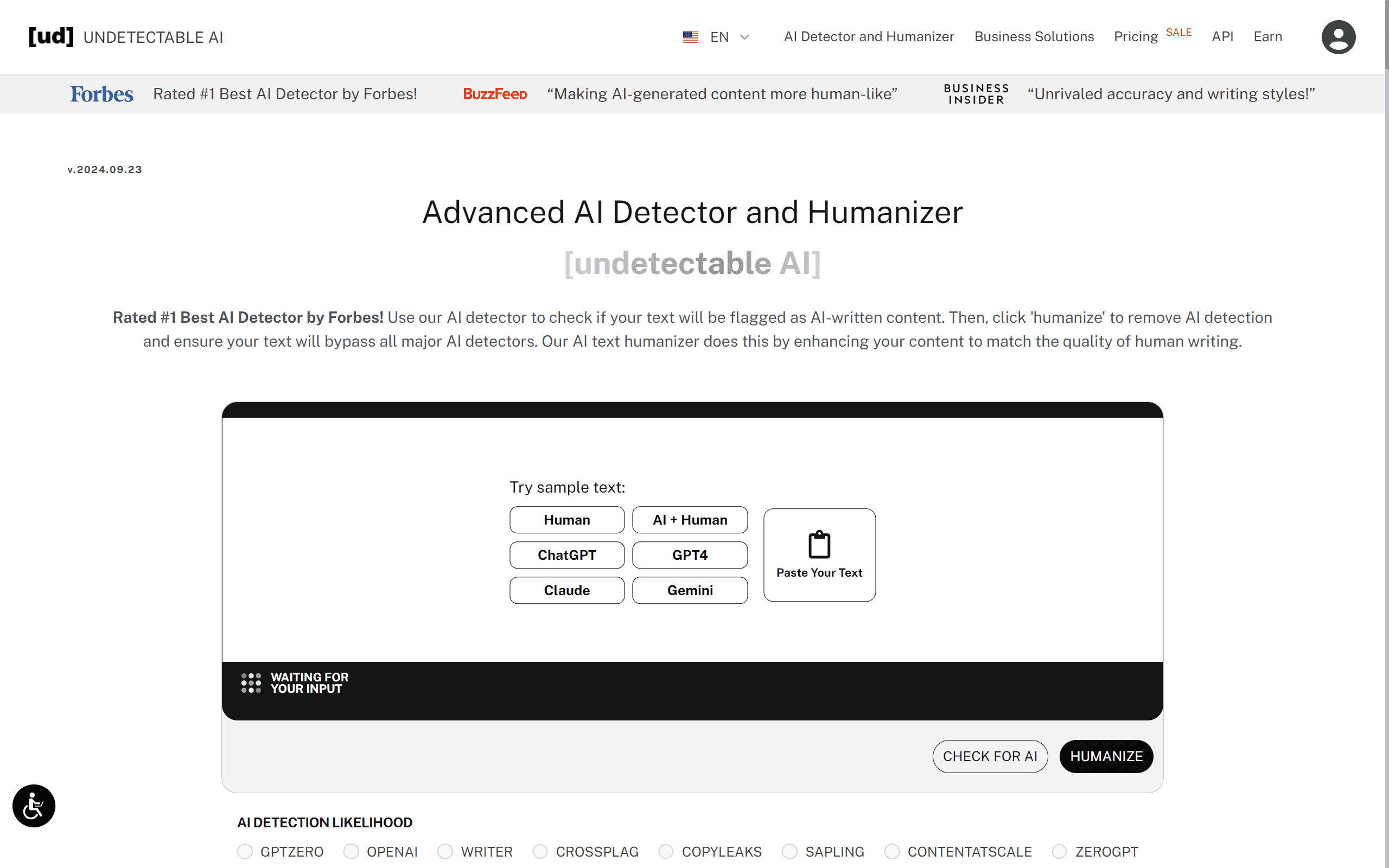
- Undetectable AI: Best Name Recognition
- How to Actually Evaluate These Tools Yourself
- Pricing Comparison
- Which Should You Choose
- Better Prompting Reduces How Much Humanizing You Need
- Frequently Asked Questions
AI Humanizer Tools: Why Robotic-Sounding Content Is a Real Problem
Content marketers using AI to speed up first drafts run into the same complaint constantly: the output is factually fine but reads flat, over-explains obvious things, and leans on the same handful of transitional phrases every single paragraph. AI humanizer tools rewrite that draft to vary sentence length, cut redundant qualifiers, and generally sound like a person edited it — which, for published content representing a real brand, it should be regardless of what tool helped write the first pass.
Worth being direct about: these tools are for polishing your own AI-assisted drafts into genuinely better writing, not for academic dishonesty or presenting AI work as entirely human-written where that would be against the rules you’re operating under. Use them the way you’d use a strong editor, not a disguise.
It’s also worth understanding what these tools can’t fix. A humanizer can vary sentence rhythm and cut robotic phrasing, but it can’t add genuine expertise, firsthand experience, or specific insight that wasn’t in the original draft — running a generic, fact-free AI draft through a humanizer produces smoother-reading generic, fact-free content, not suddenly authoritative content. The real workflow that works is: research and draft with genuine input first, then humanize the result, not the reverse.
SupWriter: Best Value for High Word Counts
SupWriter‘s $9.99/month plan includes 30,000 words, the highest word allowance per dollar of the tools we compared. For a content marketer processing a high volume of AI-assisted drafts weekly, that word ceiling matters more than a lot of the smaller feature differences between competitors.
Beyond the raw word allowance, SupWriter’s output tends to make more conservative edits than some competitors — smoothing awkward phrasing without dramatically rewriting the substance of what you wrote. That’s a feature, not a limitation, if you’ve already put real thought into the draft’s content and just need the prose to read more naturally; a heavier-handed tool risks introducing factual drift or changing your actual meaning while chasing a more “human” sentence structure.

QuillBot Humanizer: Best for Unlimited Use
QuillBot‘s humanizer feature, part of its broader $19.95/month writing suite, is the only option here with unlimited word processing rather than a monthly cap. If you’re running large volumes of content through the tool and don’t want to track a word budget, the flat unlimited pricing is worth the higher monthly cost, and you get QuillBot’s paraphrasing and grammar tools bundled in.
QuillBot’s broader ecosystem is the real value driver here beyond the humanizer feature alone — you’re also getting a grammar checker, a summarizer, and citation tools in the same subscription, which for a student or a content team already doing other kinds of writing work can make the $19.95/month price feel more like a full writing suite subscription than a single-purpose humanizer tool.
Undetectable AI: Best Name Recognition
Undetectable AI is priced at $14.99/month for 10,000 words and is among the most widely referenced tools in this category, which tends to mean a larger user base actively testing and reporting on how well its output holds up. It’s a reasonable middle-ground option if you want a well-known, actively maintained tool without committing to QuillBot’s higher unlimited-tier price.
Because it’s one of the most talked-about tools in this space, Undetectable AI also tends to be one of the first tools that AI detection services specifically test against and adjust for — an arms-race dynamic that applies to every tool in this category to some degree, but is worth knowing about if consistent performance over many months matters more to you than performance on any single day.
How to Actually Evaluate These Tools Yourself
Don’t take any humanizer’s marketing claims about detection bypass rates at face value — test with your own real content instead. Run a paragraph you’ve genuinely written yourself through a detector as a baseline, then run an AI-assisted draft through the humanizer and compare. The more useful test isn’t whether it fools a detector at all, but whether the output actually reads better to a human — since that’s the outcome that matters for real published content representing your brand, regardless of what any detection tool concludes.
Pricing Comparison
| Tool | Monthly Price | Word Allowance | Best For |
|---|---|---|---|
| SupWriter | $9.99 | 30,000 words | Best value per word for regular use |
| QuillBot Humanizer | $19.95 | Unlimited | High-volume content teams |
| Undetectable AI | $14.99 | 10,000 words | Well-established, widely used option |
For more background, see this overview of natural language generation. For more comparisons like this one, browse our Tools & Reviews coverage.
Which Should You Choose
If you’re processing a lot of content monthly and want the best word-for-dollar value, SupWriter’s 30,000-word allowance at under $10 is hard to beat. If your volume is unpredictable and you don’t want to think about word caps at all, QuillBot’s unlimited plan removes that friction entirely, especially if you’d use its paraphrasing and grammar tools anyway. Undetectable AI is a solid middle choice if you want a widely recognized, actively maintained tool without QuillBot’s higher price tag.
Regardless of which tool you pick, build a final human read-through into your process before anything publishes. Humanizer tools are good at fixing surface-level rhythm and phrasing issues; they’re not good at catching a factual error, a claim that doesn’t quite hold up, or a sentence that’s grammatically fine but says something you didn’t actually mean. Treat the humanizer pass as one step in editing, not the last one.
Better Prompting Reduces How Much Humanizing You Need
The cheapest way to reduce reliance on humanizer tools entirely is improving the original AI prompt — asking for shorter sentences, a specific tone, varied paragraph length, and explicitly telling the model to avoid common AI writing tics (excessive hedging, repetitive transition words, over-explaining) up front. A well-prompted first draft often needs far lighter humanizing than a generic, unguided prompt, which means less time and fewer word credits spent fixing avoidable problems after the fact.
Frequently Asked Questions
Are AI humanizer tools legal to use?
Yes, using them to edit and improve your own AI-assisted writing is legal. Whether it’s appropriate depends on the context — check any rules that apply to your specific use case (academic, professional, or platform-specific) before relying on one to change how AI involvement is disclosed.
Do AI humanizers actually improve writing quality, or just avoid detection?
The better tools genuinely improve readability — varying sentence structure, cutting repetitive phrasing, and removing overly formal transitions — which tends to reduce detection flags as a side effect of the writing simply being better, not through some separate trick.
Which AI humanizer is cheapest for occasional use?
SupWriter’s $9.99/month plan is the lowest entry price among established tools with a generous 30,000-word monthly allowance, making it a reasonable starting point before committing to a pricier unlimited plan.
Can AI detectors always tell the difference between AI and human writing?
No — AI detection tools produce both false positives (flagging genuine human writing as AI-generated) and false negatives (missing AI-generated content), and their accuracy varies significantly by tool. Treat any single detector’s verdict as one data point, not a definitive judgment.
Will using a humanizer tool hurt my content’s SEO performance?
No — search engines primarily evaluate content on helpfulness, accuracy, and reader experience rather than penalizing content simply because AI assisted in writing it. Genuinely improving readability and reducing robotic phrasing, which is what a good humanizer does, tends to help rather than hurt real reader engagement metrics that do factor into search performance.